02
OCT 26

ADHD or Autism?

Understanding the Overlap and When to Seek an Evaluation

Written by:

Dr. Chelsea Weeks

Clinical Neuropsychologist at Minder Memory Center
You may have spent years wondering why certain parts of everyday life feel harder than they seem to for other people. Perhaps you have trouble staying organized, feel overwhelmed in social situations, or need more time to recover after a busy day. You may have been diagnosed with ADHD but still feel that it does not explain everything.

ADHD and autism can share some traits, and a person can have both. Understanding what is going on takes more than checking symptoms off a list. It means looking at your history, your strengths, and the patterns that affect your daily life.
What is ADHD?
What is ADHD?
Attention-deficit/hyperactivity disorder (ADHD) is a neurodevelopmental condition that affects attention and self-regulation. It may involve difficulty starting or finishing tasks, managing time, staying organized, or controlling impulses. Some people also experience restlessness or a need for movement.ADHD does not look the same in everyone.

Someone can do well in school or at work while putting considerable effort into managing these challenges behind the scenes.
What is Autism?
Autism spectrum disorder (ASD) is a neurodevelopmental condition that can affect social communication and interaction, as well as how a person experiences the world around them. An autistic person may have strong interests, prefer predictable routines, or experience sound, light, touch, or other sensory input differently.Autism varies widely from person to person. Some people recognize these patterns early in life.

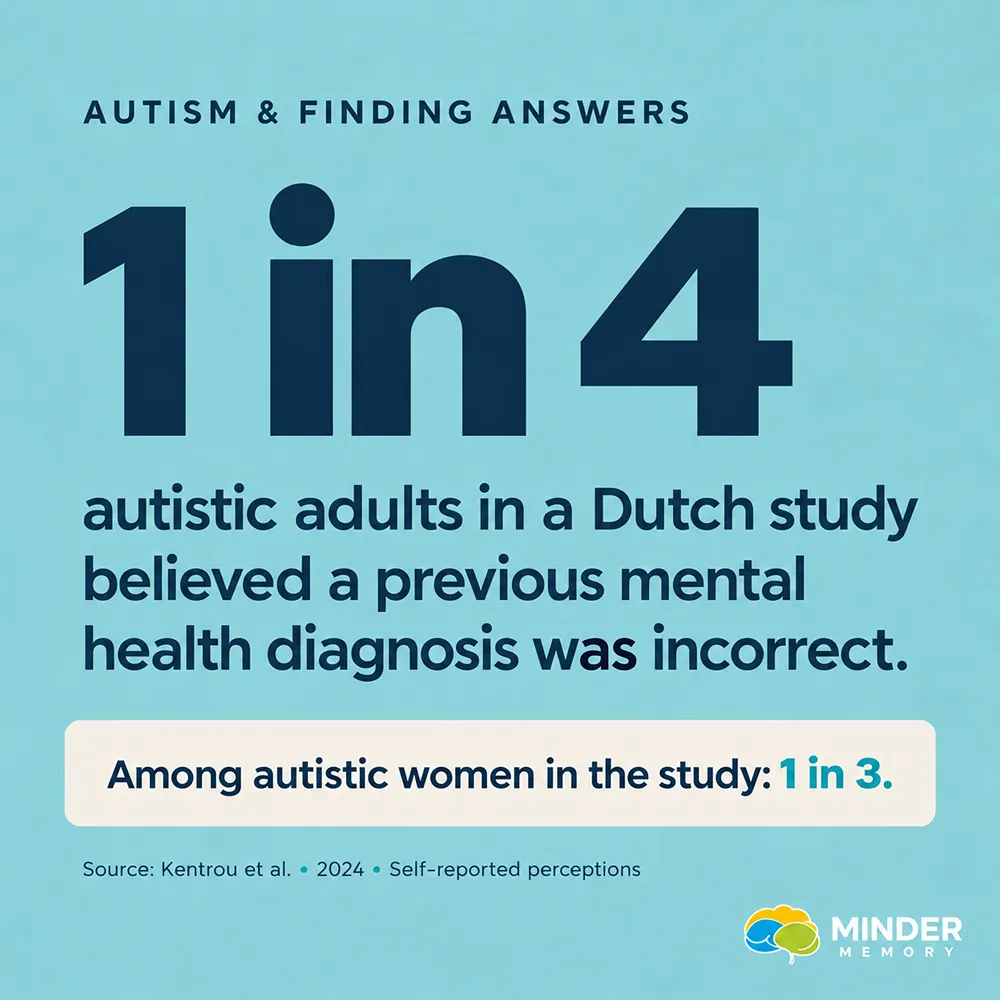
Others begin to explore them as adults, perhaps after learning more about autism or realizing that an earlier diagnosis does not fully explain their experiences.
What is Autism?
Beyond Diagnosis: A Roadmap for Care
Why can ADHD and autism be hard to tell apart?
The same difficulty can have different explanations. For example:
Losing track of a conversation might involve difficulty sustaining attention, uncertainty about unspoken social expectations, or both.
Struggling with a change in plans might involve difficulty shifting attention, a need for predictability, or feeling overwhelmed by a sudden change.
Feeling exhausted after a social event might reflect the effort of staying focused, navigating interactions, managing sensory input, or a combination of these.

These examples cannot tell you whether you have ADHD, autism, or both. Anxiety, learning differences, sleep difficulties, and other concerns can also affect how you feel and function. That is why the broader picture matters.

Why might these questions come up in college or later in life?

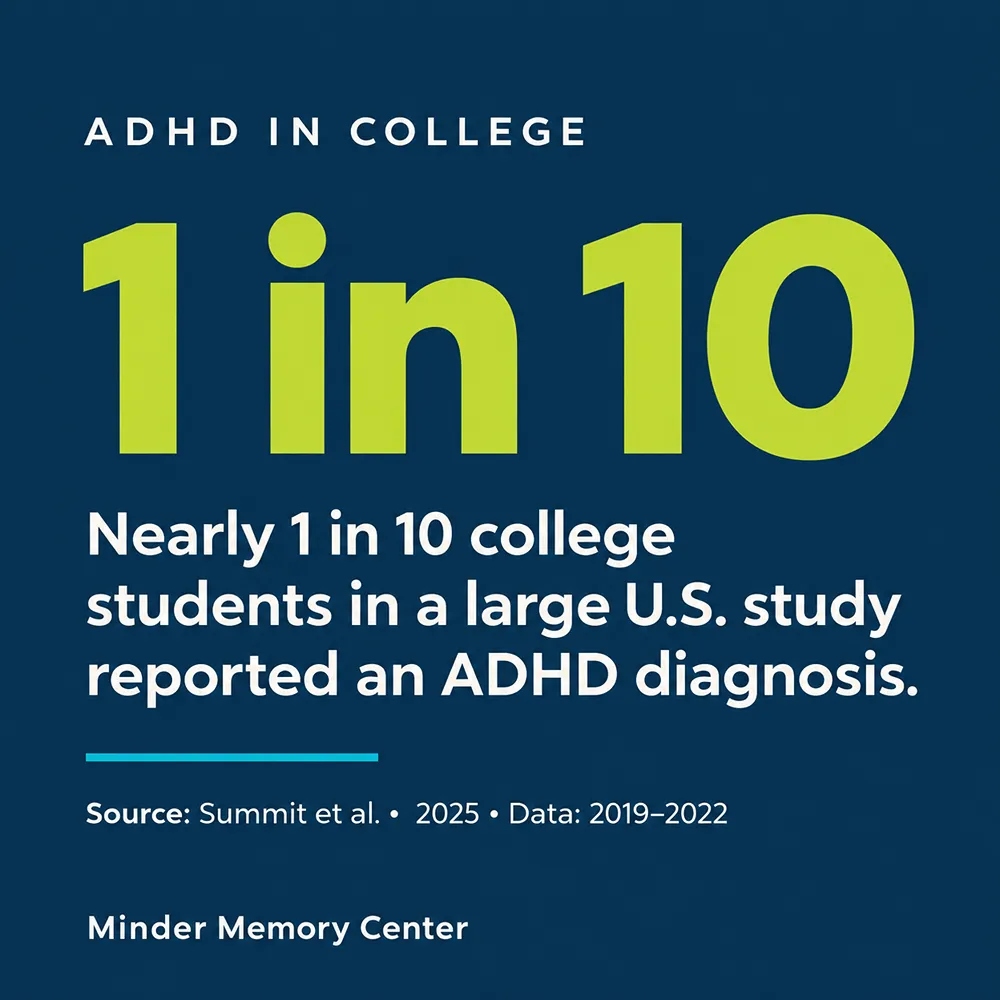
For many students, college is the first time they are managing daily life away from home. Alongside classes, they may need to track deadlines, plan meals, manage sleep, build new friendships, and adjust to roommates or shared spaces. Without familiar routines and support, difficulties with attention, social situations, or sensory demands may become more noticeable.

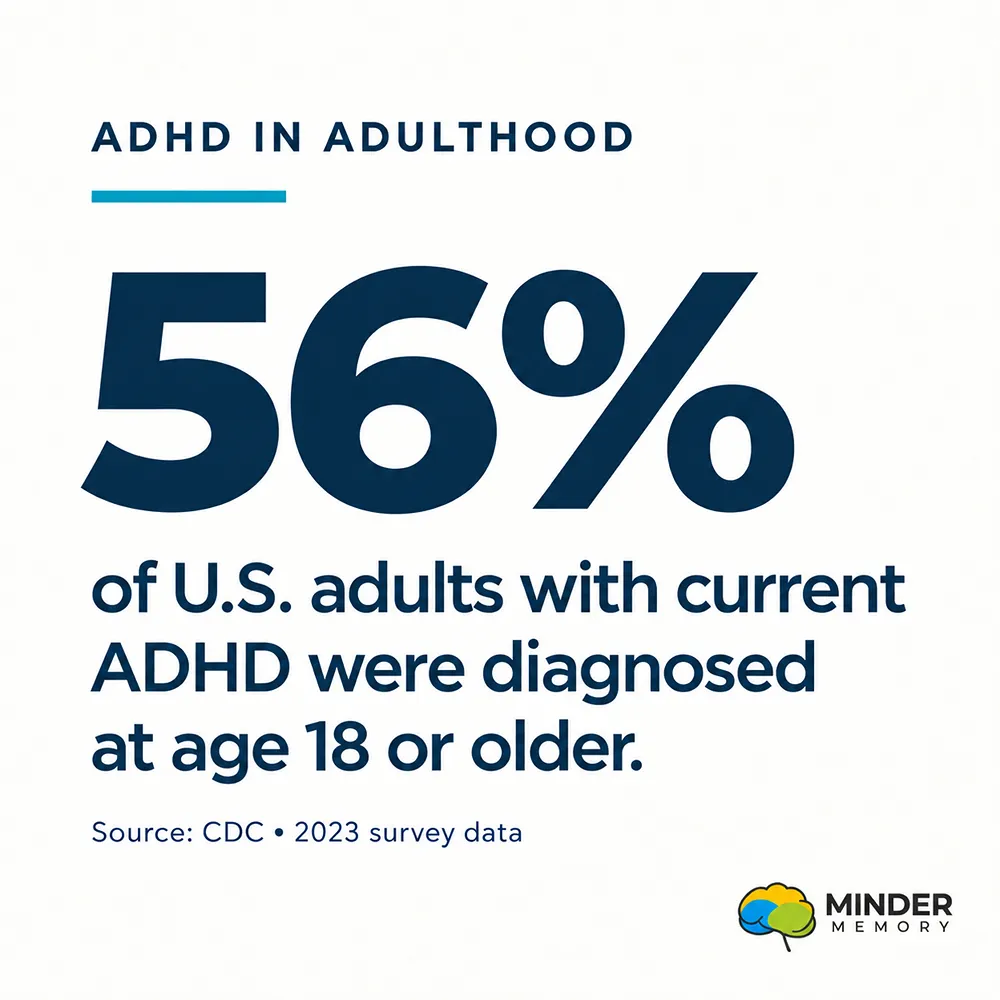
Similar questions can arise later in life. A new job, a change in relationships, becoming a parent, or taking on more responsibilities can place greater demands on skills that someone has spent years working hard to manage. Others begin asking questions after a child or family member receives a diagnosis and they recognize familiar experiences in themselves.

Doing well in school or work does not rule out ADHD or autism. It may mean that a person had effective strategies or support—or that managing everyday demands took more effort than others could see. Life changes alone do not indicate a diagnosis, but if longstanding patterns are affecting your well-being, relationships, or daily life, an evaluation can help you find answers.
Do you need a neuropsychological evaluation for ADHD?
Not necessarily. ADHD can be diagnosed through an appropriate clinical evaluation without neuropsychological testing.

A more comprehensive evaluation may be helpful when there are additional questions: Could I also be autistic? Why am I still struggling despite treatment for ADHD? Are learning, cognitive, or emotional factors contributing?

‍
An evaluation can help clarify your pattern of strengths and challenges and provide recommendations tailored to your needs.
Do you need a neuropsychological evaluation for ADHD?
When might it be time to seek an evaluation?
Consider speaking with a qualified professional if:
You have an ADHD diagnosis, but it does not seem to explain your experiences fully.
You wonder whether you or your child may have both ADHD and autism.
Attention, social, sensory, or learning concerns are affecting daily life.
You have tried strategies or treatment but still do not understand why certain difficulties persist.
You or your student are finding the transition to college harder than expected, and these challenges are affecting school or well-being.
You need a clearer understanding of what support may help at home, school, work, or in care.
You do not have to figure out the diagnosis before reaching out. Your unanswered questions are a reason to start the conversation.

Get answers that fit the whole picture

At Minder Memory Center, our licensed clinical team provides virtual neuropsychological and psychological evaluations. We consider your history, current concerns, and areas of strength to help answer complex diagnostic questions and provide practical recommendations.

If you are wondering whether ADHD, autism, or both may explain what you or your child are experiencing, contact Minder Memory Center to discuss which type of evaluation may be appropriate.

Partnership Inquiry

Interested in offering Minder's fast and affordable online neuropsych evaluations to your patients, clients, or residents?

‍Contact: partners@mindermemory.com
Interested in Partnership

Still Have Questions

Call us or send us an email

Phone:

‍1-855-264-6337

Email:

partners@mindermemory.com

GET STARTED

You deserve answers — not waitlists.

Minder provides comprehensive virtual neuropsychological and psychological evaluations for patients ages 2 through the lifespan.
SHARE THIS POST